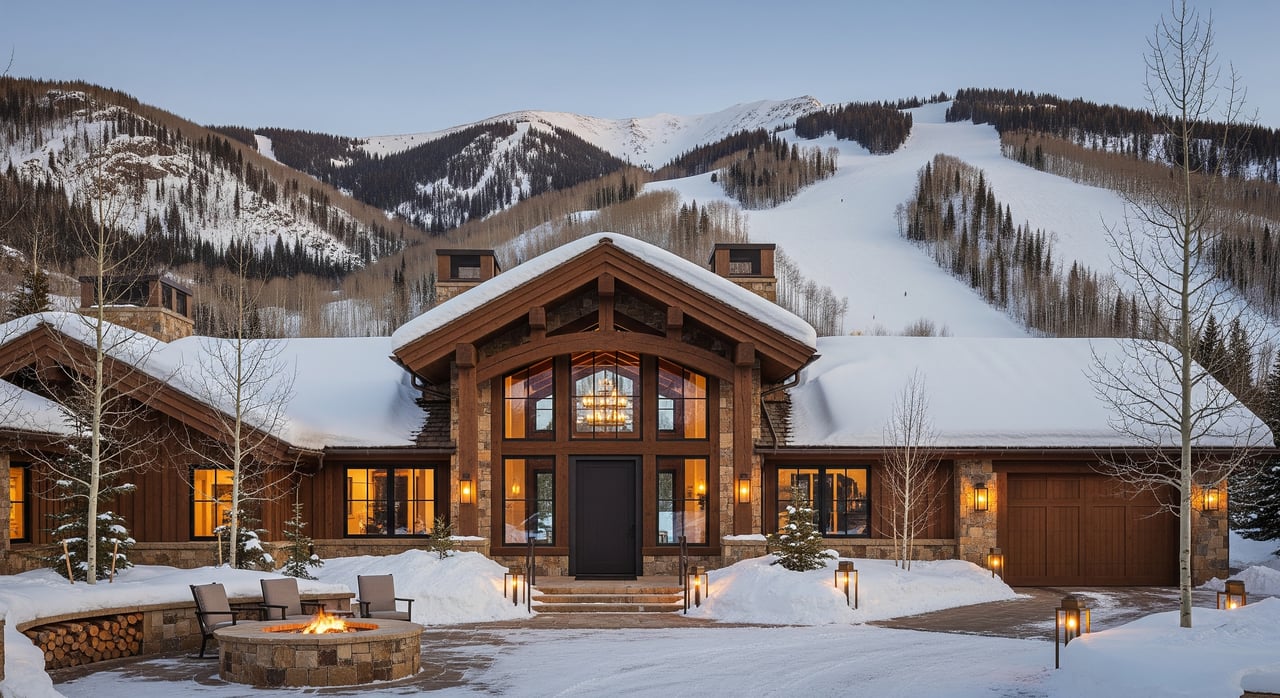
You came to ski, found a place you love in East Vail, and now the clock is ticking. During peak season, strong snow and holiday traffic can turn a great listing into a multiple-offer sprint in hours. You want to win without taking on unnecessary risk. In this guide, you’ll learn the exact steps to prepare a clean, competitive offer, the tradeoffs to consider, and how to time everything around storms and holidays. Let’s dive in.
Why East Vail gets competitive
Holiday periods and long weekends bring an influx of buyers who are ready to act. When a fresh storm hits, showing activity and urgency can spike quickly. At the same time, active inventory often runs lower in ski season, which means well-priced or well-located properties can draw multiple offers.
Sellers tend to favor offers that reduce execution risk. They look for cash or strong financing, tight but realistic timelines, fewer contingencies, and clear proof that you are ready to close. Local listing agents value straightforward, verifiable offers with clean terms and minimal uncertainty.
Get financially offer-ready
Show proof of funds that verifies cash
Sellers want to know your money is available when you say it is. Provide current proof of funds that clearly shows your name and balances. Acceptable forms include bank statements or secure online screenshots, a bank-issued verification of deposit letter, or statements for liquid brokerage accounts. If you are all cash, include a simple statement that your offer is not contingent on financing.
Use a true pre-approval
If you are financing, a documented pre-approval is stronger than a pre-qualification. Ask your lender to outline the loan product, down payment, estimated timelines, and appraisal requirements. Lenders who know Colorado mountain properties can anticipate HOA nuances and move more quickly. Include your lender’s contact information so the listing agent can verify your readiness.
Strengthen earnest money with clear milestones
A larger earnest money deposit signals serious intent. You can also offer to make it non-refundable after specific contract milestones where legally appropriate. This increases your competitiveness but raises your risk if you later cancel outside those terms. Set deposit size and refund triggers in line with your comfort and with guidance from your agent.
Build clean timelines sellers trust
Define your preferred closing date and show flexibility. Many sellers plan around high-season rental calendars, so the right date can matter as much as price. If you cannot attend closing in person, prepare for a remote closing with remote notarization or a power of attorney, and confirm wiring and document delivery timing. Share contact information for your agent, lender, title company, and any local attorney so the listing side can coordinate quickly.
Smart contingency choices
Right-size loan and appraisal contingencies
Shorter mortgage contingency periods appeal to sellers, provided they fit your lender’s realistic timeline. Appraisal contingencies can be modified instead of removed. You can commit to covering an appraisal shortfall up to a cap while keeping the rest of your financing contingency. This approach balances competitiveness with protection.
Appraisal gap strategies
An appraisal gap means you agree to pay the difference between appraised value and purchase price up to a stated limit. Common structures include:
- A fixed-cap gap where you cover a specific dollar amount.
- A full waiver of the appraisal contingency, which carries higher risk if your financing depends on the appraisal.
- An escalation clause paired with an appraisal gap so you can outbid by a set increment and still cover part of a potential shortfall.
The upside is stronger seller appeal in a multiple-offer scenario. The risk is bringing more cash to closing if the appraisal lands below the contract price. Set a cap tied to your budget and confirm your lender is comfortable with the plan.
Inspection with speed and safety
You can shorten inspection periods to five to seven days or limit the scope to major systems to present a cleaner offer. Always consider the unique risks in mountain properties, including roof and snow load, foundation, utilities, water and sewage, and fire mitigation. If time is tight, review seller disclosures and publicly available information before you write the offer. Avoid waiving inspection entirely unless you fully accept the risk.
Use rent-backs and occupancy to your advantage
Post-close occupancy basics
A seller rent-back allows the seller to stay after closing for an agreed period. The agreement should spell out start and end dates, the daily or monthly rent, deposit, insurance responsibilities, access, and move-out condition. You gain temporary income or stronger terms, and the seller gets needed flexibility. Confirm that your homeowner’s insurance covers the arrangement and that the seller carries appropriate liability coverage.
Align closing with your ski plans
If you are timing a purchase around a ski trip, map out the closing and possession plan with weather in mind. Options include closing before your trip, closing after your trip with a rent-back in place, or using a short occupancy agreement tailored to your needs. Remote closings are common, but they require lead time for notarization, wiring, and document coordination.
Time your move around snow and holidays
Weather and travel buffers
Mountain weather can impact everything from showings to appraisals. I-70 and local roads may close or delay travel during storms. Build buffer days into inspection and financing deadlines. Allow for flexibility if inspectors, appraisers, or underwriters face weather-related delays.
Holiday bidding patterns
Demand tends to spike during major holiday periods and long weekends. In those windows, you may need more aggressive terms or faster timelines to compete. Ask your agent for guidance on whether to prioritize price, earnest money strength, or timing to match the seller’s goals.
Rapid-response plan for in-person shoppers
If you are visiting and ready to buy, plan to write within 24 to 48 hours of touring. Preload your file with proof of funds, a current pre-approval, ID, and preferred terms. An experienced local agent and lender can communicate quickly with the listing side so your offer stands out.
Quick pre-offer checklist
Use this to stay ready during your ski trip:
- Current proof of funds for down payment and closing costs.
- A lender pre-approval from a lender experienced with mountain and HOA lending.
- A planned appraisal-gap amount and where the funds will come from.
- A clear price strategy and any escalation cap.
- Proposed earnest money size and refund milestones.
- Inspection period length and scope assumptions.
- Appraisal contingency terms or gap guarantee language.
- Preferred closing date and any seller rent-back terms.
- Remote closing plan with notarization and wiring steps.
- Contact details for your lender and title company.
- Preliminary review of HOA, short-term rental, and use restrictions if you plan to rent.
What to verify before you commit
Many Vail-area properties sit within rules set by the Town of Vail, Eagle County, and their HOA or condo association. If you plan to rent, verify whether short-term rentals are allowed, the minimum-stay rules, licensing steps, and any occupancy taxes that apply. Ask for HOA document packages as early as possible since review timelines can affect closing.
Insurance is another key item in mountain areas. Confirm that homeowner’s insurance is available at acceptable terms and whether wildfire mitigation, snow-load coverage, or other endorsements are needed. Your agent, lender, and insurance provider can help you understand requirements tied to the property and community.
How a local advocate helps
In a multiple-offer environment, clean terms, proof of capacity, and fast, direct communication can make the difference. A local, experienced buyer’s agent will help you craft tight timelines, set a smart appraisal-gap strategy, and pre-coordinate with lender, title, and insurance so the listing agent sees a clear path to closing.
You also benefit from up-to-the-minute insights on weather, travel, and holiday demand patterns. That allows you to time showings and submissions and to align closing and possession with your travel plans or a seller’s rental calendar. The goal is simple: present the strongest, safest offer you are comfortable with and execute quickly.
Ready to compete with confidence in East Vail? If you want a clear game plan and a fast, well-communicated offer, connect with Benjamin Finn to get started.
FAQs
How strong is an all-cash offer in East Vail?
- Cash reduces financing risk and appraisal dependence, which often moves you to the top in multiple-offer situations.
What is an appraisal gap and is it worth it?
- An appraisal gap means you agree to cover a shortfall up to a cap, improving your odds of winning but potentially requiring more cash at closing.
Should I waive inspection to win during ski season?
- It is possible but risky. Consider a shortened inspection or limit it to major systems rather than a full waiver.
How do I time closing around a ski trip?
- Build buffer days for weather, consider a rent-back if needed, and use remote closing tools to keep the process moving.
Are short-term rentals allowed in East Vail?
- Rules vary by town, county, and HOA. Verify permissions, minimum-stay rules, licensing, and taxes before you commit.
What does my agent do in a bidding war?
- Your agent crafts competitive terms, packages proof of funds and pre-approval, and coordinates with the listing side to present a clean, verifiable offer.