If you want the Vail Valley lifestyle without feeling locked into a resort-only routine, Edwards deserves a close look. Many buyers want quick access to skiing, trails, dining, and daily essentials, but they also want a community that works on an ordinary Tuesday in November or a busy Saturday in July. Edwards stands out because it combines central valley access, practical infrastructure, and a real everyday rhythm. Let’s dive in.
Edwards offers a central valley base
Edwards sits in the heart of the Vail Valley and functions as a practical home base for year-round living. It is the largest unincorporated community in Eagle County, with roughly 11,250 residents, and it has an established small-town feel supported by the Edwards Metropolitan District.
That central location matters if you want flexibility in your daily routine. Riverwalk at Edwards places the community off I-70 at exit 163 and notes that Edwards is about 14 minutes from Vail, 9 minutes from Beaver Creek, 2 minutes from Arrowhead, and 4 minutes from Cordillera.
For many buyers, that means you can stay connected to the valley’s major destinations without living in the busiest resort core. You get access to skiing, recreation, shopping, and work routes while keeping a home base that feels grounded in everyday life.
Daily life is easier here
One reason Edwards works so well full time is that daily needs are concentrated within the community. The Edwards Metropolitan District says residents can walk and bike to shops, restaurants, and other businesses, which supports a more convenient local routine.
The dining mix is broad enough to feel useful, not just seasonal. The district lists more than 30 restaurants, including coffee spots, deli options, pizza, sushi, steakhouses, upscale dining, and casual family-friendly choices.
Retail and service options also support day-to-day living. According to the district and Riverwalk at Edwards, you can find groceries, books, outdoor gear, home goods, boutiques, and business services in the community.
That mix helps Edwards feel like a place where you can truly live, not just visit. Instead of planning every errand around a longer valley drive, you have many essentials close to home.
Schools support an in-town routine
For buyers planning around school schedules, Edwards has a full local school ladder within the community. Edwards Elementary School serves grades K-5 in English and Spanish, Berry Creek Middle School serves grades 6-8, and Battle Mountain High School is located on Miller Ranch Road in Edwards.
That setup can simplify everyday logistics. With elementary, middle, and high school campuses all in Edwards, families may be able to keep much of their school routine centered close to home rather than spread across the valley.
The schools also add to the sense that Edwards is built for full-time residents. Edwards Elementary notes recognitions including PLTW Distinguished School and the Colorado Governor’s Distinguished Improvement Award, while Battle Mountain High School describes a comprehensive academic program with AP and dual-enrollment courses.
Outdoor access is built into daily life
Edwards is not just near the outdoors. In many ways, the outdoors are woven into the community itself. The Eagle River Preserve is a 72-acre open space in the heart of Edwards with a quarter-mile stretch of the Eagle River.
According to the Edwards Metropolitan District, that preserve supports activities such as nature walks, fly fishing, bicycling, jogging, snowshoeing, and use of an off-leash dog park. That kind of access can change how you use your free time because it makes outdoor breaks feel easy and close.
Freedom Park adds another layer to that everyday lifestyle. The park includes paved walking and biking paths, a dog park, a pond, a playground, soccer fields, and a skate park.
For many residents, this is the kind of infrastructure that makes a mountain town livable all year. You are not waiting for a vacation day to enjoy the setting around you.
Trails and bike routes add flexibility
Edwards also benefits from a growing network of trails and bike connections. Eagle County’s transportation plan says Edwards has an expanding bicycle and trail system overseen by ECO Trails.
The regional Eagle Valley Trail system runs 63 miles from Vail Pass to Glenwood Canyon. Through Edwards, the paved trail generally parallels US 6 and includes seven crossings of the Eagle River, with additional detached trails along roads such as Edwards Access Road, Edwards Village Boulevard, and Miller Ranch Road.
That matters for more than recreation. It gives you more options for moving through the community, connecting neighborhoods, and enjoying non-driving routes during much of the year.
Edwards also participates in the Shift Bike program, with stations in Riverwalk, Colorado Mountain College, Brett Ranch, Eagle River Village Mobile Home Park, and Edwards Field House. For residents who value mobility and convenience, that is another practical advantage.
Community life extends beyond ski season
A strong year-round community needs more than good location and recreation. It also needs recurring local activity that gives the area a steady rhythm. Edwards has that.
One clear example is the Edwards Corners Farmers Market. The district describes it as a summer Saturday tradition with more than 30 vendors offering local food, crafts, and other products.
Events like that help create familiarity and connection over time. They reinforce the idea that Edwards is not only tied to winter tourism, but also supported by local habits and community gathering points.
That authentic rhythm is part of why many buyers find Edwards appealing. It can feel active and connected without feeling overly centered on one season.
Housing options fit different goals
Edwards also stands out because the housing mix is broad. The Edwards Transportation Master Plan says the community serves as a strong commercial and residential base for the Eagle Valley and nearby ski areas, with housing that ranges from multi-family and condominium developments to medium- and lower-density single-family neighborhoods.
That variety gives buyers more than one path into the market. Depending on your goals, you may find a lower-maintenance condo, a townhome, or a single-family home with more space.
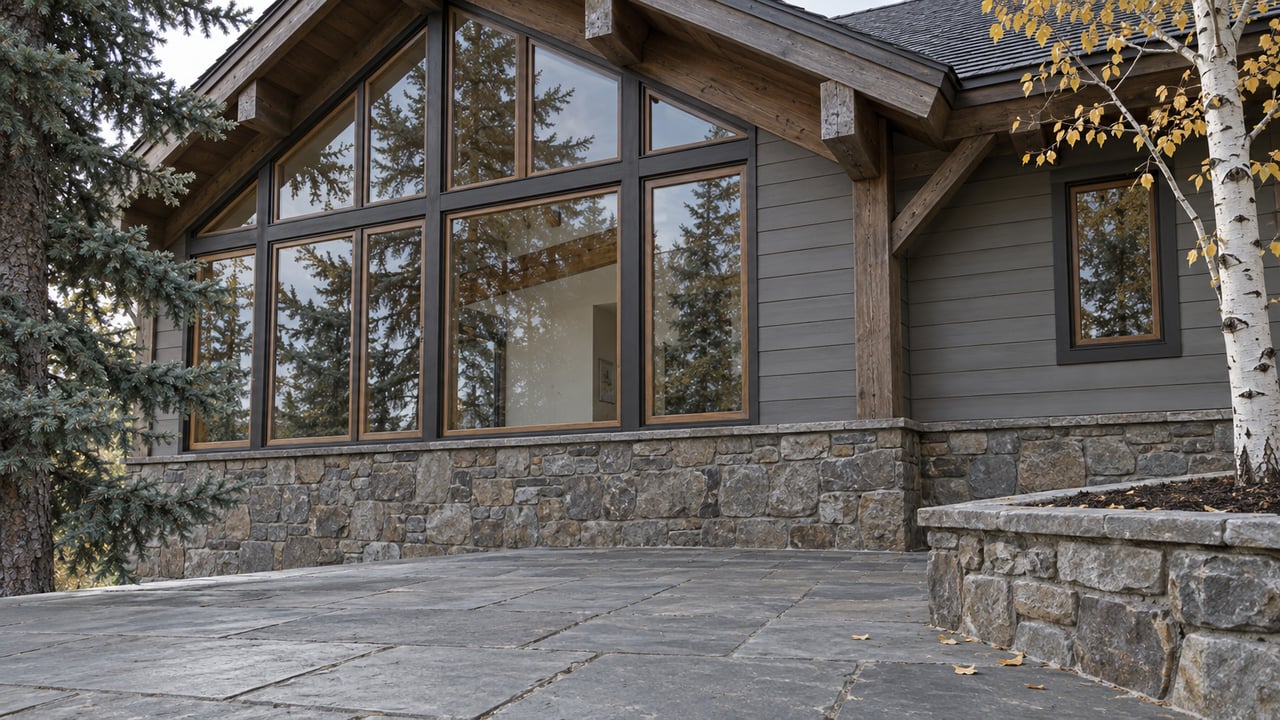
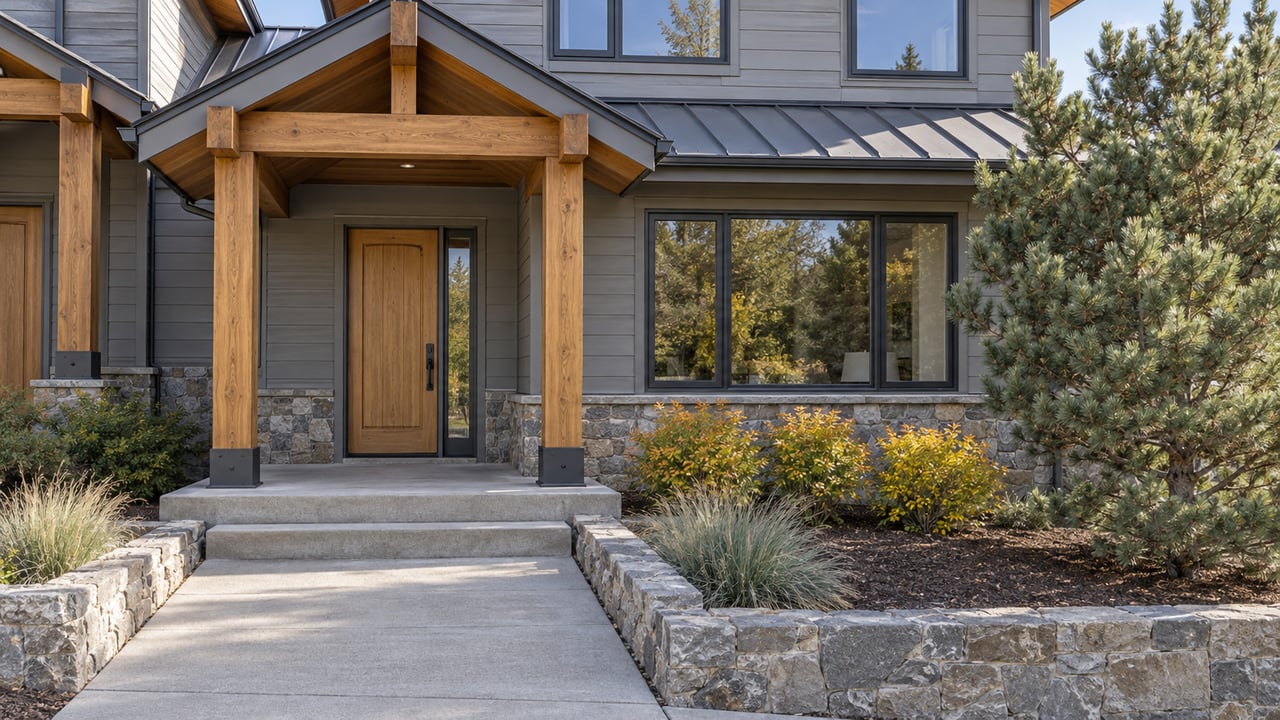
The district’s neighborhood information gives helpful examples. Miller Ranch includes single-family homes, duplexes, row houses, and mill loft condominiums. Singletree includes condominiums, duplexes, townhomes, and single-family homes. Homestead includes a mix of housing types and sits a short walk from Riverwalk.
The district sums it up simply: buyers can find a turn-key condo in Riverwalk, a townhome with views, or a home with room to roam. For local buyers, second-home buyers, and people relocating within the valley, that range is a meaningful part of Edwards’ appeal.
Four-season infrastructure supports full-time living
The best year-round communities are not just attractive in good weather. They work when conditions change. Edwards benefits from practical systems that support daily life across seasons.
The Edwards Metropolitan District says it coordinates winter snow removal with Eagle County Road & Bridge, ECO Trails, and CDOT. It also notes that district-managed sidewalks and recreational paths are cleared for pedestrians and cyclists.
That kind of maintenance matters in a mountain community. It helps keep daily routines more manageable, whether you are commuting, walking the dog, heading to school, or trying to stay active in winter.
When buyers think about year-round living in the Vail Valley, this is often what separates a great vacation location from a practical full-time home base. Edwards checks that box.
Why Edwards appeals to buyers now
If you are comparing communities in the Vail Valley, Edwards offers a compelling balance. You get central access to Vail, Beaver Creek, Arrowhead, and Cordillera, plus local schools, shopping, dining, parks, and trails that support everyday life.
Just as important, Edwards offers choices. Some buyers want convenience and walkability near Riverwalk. Others want a townhome or single-family setting in neighborhoods like Homestead, Singletree, or Miller Ranch.
That flexibility makes Edwards relevant to a wide range of goals, from a primary residence to a mountain property that still feels practical beyond peak season. If your priority is living well in the valley all year, Edwards is easy to put near the top of your list.
If you are exploring Edwards or thinking about buying or selling in the Vail Valley, working with a local advisor can help you match the right property to the way you actually want to live. To start the conversation, connect with Benjamin Finn.
FAQs
Why is Edwards a good place for year-round living in the Vail Valley?
- Edwards offers central access to Vail Valley destinations, a broad mix of housing, local schools, shopping, dining, parks, trails, and winter maintenance infrastructure that supports everyday life in all seasons.
How close is Edwards to Vail and Beaver Creek?
- Riverwalk at Edwards states that Edwards is about 14 minutes from Vail and 9 minutes from Beaver Creek, with Arrowhead about 2 minutes away and Cordillera about 4 minutes away.
What schools are located in Edwards, Colorado?
- Edwards includes Edwards Elementary School for K-5, Berry Creek Middle School for grades 6-8, and Battle Mountain High School on Miller Ranch Road.
What kinds of homes can you find in Edwards, Colorado?
- According to local district and planning information, Edwards includes condos, multi-family homes, duplexes, townhomes, row houses, and single-family homes in neighborhoods such as Riverwalk, Miller Ranch, Singletree, and Homestead.
Does Edwards have walkable shopping and dining?
- Yes. The Edwards Metropolitan District says residents can walk and bike to area shops, restaurants, and businesses, and the community includes more than 30 restaurant options plus retail and service businesses that support daily needs.
What outdoor amenities are available in Edwards, Colorado?
- Edwards offers access to the Eagle River Preserve, Freedom Park, paved walking and biking paths, a regional trail network, dog parks, a playground, soccer fields, a skate park, and riverfront recreation areas.