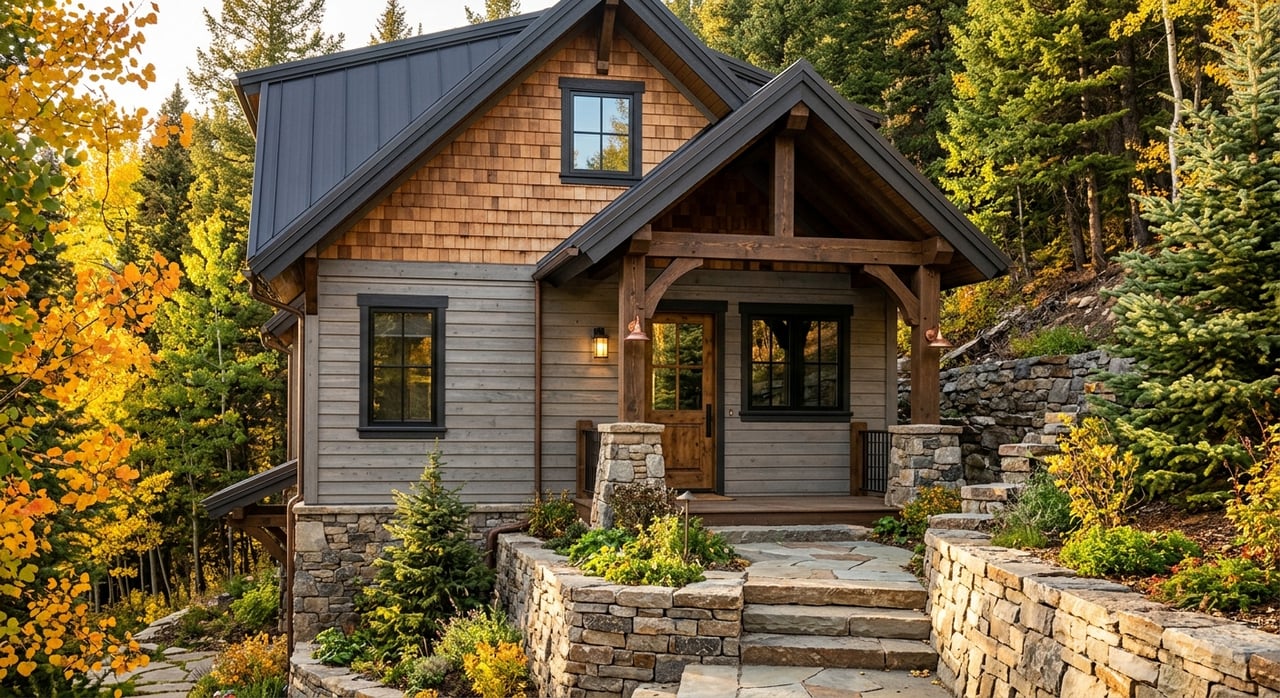
If you only think of East Vail as a winter address, you are missing most of the story. This part of Vail changes in meaningful ways from season to season, and that is exactly what makes it appealing to buyers, second-home owners, and locals who want a true mountain setting with daily convenience. In this guide, you will get a practical look at how East Vail lives across the year, from snow season to trail season, along with what that means for real estate and lifestyle. Let’s dive in.
East Vail at a Glance
East Vail is one of the Town of Vail’s 12 neighborhoods, located about five miles from Vail Village in Eagle County. It sits outside the pedestrian core, which gives it a more residential feel while still keeping you connected to the rest of town.
One of the biggest everyday advantages is access. The Town of Vail’s free year-round bus system serves multiple East Vail stops, including Pitkin Creek, Lupine, Timber Falls, Racquet Club, Meadow Drive, Bighorn Park, and Spruce Way, making it easier to move around without relying on a car for every trip.
Why Four Seasons Matter Here
East Vail is not a one-season neighborhood. At NOAA’s Vail station, the annual normals show an average temperature of 37.9°F, 22.44 inches of precipitation, and 189.2 inches of snowfall, which tells you this is a true high-elevation mountain environment all year long.
That climate shapes how you use the area, how you plan your weekends, and often how buyers think about property here. In winter, access to snow and ski activity leads the conversation. In summer and fall, trail connections, cooler temperatures, and a more residential rhythm often take center stage.
Winter in East Vail
Snow Is Part of Daily Life
Winter is central to East Vail’s identity. NOAA normals show January averages of 28.5°F for highs and 17.5°F for lows, with 35.3 inches of snowfall, while February averages 33.0°F and 21.1°F with 35.7 inches of snowfall.
That means snow is not just a scenic backdrop. It is part of the daily experience, from how you commute to how you plan recreation and home maintenance through the season.
Ski Access Shapes the Season
At the resort level, Vail Mountain reports 32 lifts, 278 trails, 5,317 acres, and 354 inches of average snowfall. Even though East Vail is not in the pedestrian core, its winter identity is closely tied to ski-season activity and mountain access.
For many buyers, that balance is the draw. You can be connected to the resort experience while living in a neighborhood that functions more like a residential base.
Backcountry Access Requires Caution
East Vail also sits near terrain that attracts experienced outdoor users, but winter backcountry access comes with serious responsibility. Vail Mountain states that areas beyond the ski-area boundary are not patrolled or maintained, and access should use designated gates only.
If you are considering East Vail because of its mountain setting, that proximity is a meaningful lifestyle feature. It is also a reminder that local knowledge and careful planning matter in every season, especially winter.
Spring in East Vail
Expect a True Transition Season
Spring in East Vail does not arrive all at once. NOAA data shows average temperatures rising from 41.7°F and 16.7°F in March to 60.4°F and 31.0°F in May, while snowfall drops from 28.2 inches in March to 21.2 inches in April and 4.8 inches in May.
In practical terms, that creates a real shoulder season. You may have sunny afternoons, lingering snow, muddy trail conditions, and changing access all within a short stretch of time.
Trail Use Changes in Spring
Spring is also the season when seasonal closures become part of the outdoor picture. The Town of Vail closes North Trail from April 15 to June 15 and Son of Middle Creek from May 1 to June 15 for wildlife calving, feeding, and migration needs.
That matters if you are choosing East Vail for its trail access. The area remains active, but spring is less about full summer range and more about adapting to conditions as the mountain shifts seasons.
Summer in East Vail
Trail Access Takes Center Stage
Once the snow recedes, East Vail becomes especially trail-oriented. Vail’s recreation path system includes more than 15 miles of paved multi-use paths, with connections to soft-surface hiking and mountain biking trails.
In East Vail, the Gore Valley Trail links east toward the Vail Pass Trail, and the Vail Pass Trail begins at Gore Creek Campground in East Vail. For many owners, that kind of direct outdoor access is one of the neighborhood’s biggest lifestyle advantages.
Cool Nights, Active Days
Summer temperatures are one reason East Vail feels so livable. June, July, and August average highs of 71.4°F, 76.7°F, and 74.0°F at the Vail station, with cool overnight lows.
Those conditions support long days outside without the sustained heat many buyers want to avoid. If you are looking for a mountain home that feels usable beyond ski season, summer in East Vail makes a strong case.
Wilderness Access Is a Big Part of the Appeal
The Town of Vail says five wilderness hiking-only trails begin east of Vail Village: Bighorn Creek, Booth Lake, Deluge Lake, Gore Creek, and Pitkin Creek. The Forest Service says the Pitkin Trail begins in East Vail and reaches Pitkin Lake, while the Two Elk Trail also starts in East Vail and continues through Vail’s Back Bowls toward Blue Sky Basin.
This gives East Vail a wider outdoor footprint than a single trailhead or one recreation area. You are not just near open space. You are near a network of routes that shape how the neighborhood feels and functions in summer.
Parking and Access Planning Matter
Popular access comes with practical considerations. The Forest Service notes limited parking at the Pitkin Trail trailhead and recommends parking in town and taking the free bus.
The Town of Vail’s East Vail Trailhead Study also found enough summer use to require crowding-mitigation measures such as portable toilets, wayfinding, trail hosts, and monitoring. For owners and buyers, that is useful context because it shows both the area’s popularity and the value of transit-connected access.
Fall in East Vail
Crisp Weather Returns Early
Fall often feels like East Vail’s reset season. September averages 66.6°F for highs and 34.0°F for lows, October averages 54.1°F and 25.2°F, and November cools to 37.7°F and 15.1°F, with snowfall returning in October and rising sharply in November.
That pattern makes fall feel distinct from summer, not just a slower version of it. You get cooler air, a quieter seasonal rhythm, and an early reminder that winter is never too far away.
A More Residential Rhythm
Because East Vail sits outside the central village and remains tied into the town’s transit network, fall can feel especially residential. The pace often shifts from peak summer trail use toward everyday neighborhood living before winter activity ramps up again.
For some buyers, this is when East Vail makes the most sense. You can see the neighborhood more clearly as a place to live, not only a place to visit during one headline season.
Everyday Mobility in East Vail
Free Bus Service Adds Flexibility
A lot of mountain neighborhoods feel convenient on paper but less practical in daily life. East Vail stands out because the Town of Vail’s bus system is free year-round and serves multiple neighborhood stops.
That gives you options whether you are heading toward Vail Village, managing daily routines, or trying to reduce short car trips. For second-home owners and full-time residents alike, that kind of built-in mobility adds real value.
Paths Expand Local Connectivity
Beyond bus service, the paved recreation path system helps connect East Vail to the broader valley experience. More than 15 miles of multi-use path means walking, biking, and seasonal outdoor movement can be part of daily life, not just weekend plans.
When buyers ask what makes one Vail neighborhood function differently from another, this combination of transit and trail access is often part of the answer.
What Buyers May Find in East Vail
Housing Types Are Mixed
East Vail does not fit into one narrow property category. Town records reference a duplex home acquired through the town’s buy-down program, a condominium in Pitkin Creek, an Altair Vail Inn condominium, and an East Vail workforce-housing plan that includes 30 multi-family units and 19 townhome units.
The practical takeaway is that buyers may encounter a mix of condos, townhomes, duplexes, and individual homes. That variety can make East Vail relevant to a broad range of goals, from a lower-maintenance foothold in Vail to a larger mountain home.
Older and Newer Formats Coexist
Town records also note that Pitkin Creek Condominiums were among Vail’s earliest resident-housing developments and were built in the early 1980s. That matters because it points to the layered nature of East Vail inventory.
Some buyers are looking for established condominium options, while others focus on townhomes or detached homes with a different design profile. In East Vail, the neighborhood story is not one product type. It is the range of formats tied together by location, access, and mountain setting.
Why East Vail Appeals Year-Round
What makes East Vail compelling is not just that it works in winter and summer. It is that each season reveals a different strength, from ski access and snowfall to wilderness trails, paved path connections, cool summer temperatures, and a more residential fall rhythm.
If you are buying here, that four-season identity can shape how you use the property and how you define value. If you are selling, it also creates a richer story to tell, because East Vail is more than a ski-adjacent address.
When you want a neighborhood that stays connected to Vail while offering a true mountain-living feel, East Vail deserves a closer look. If you are thinking about buying, selling, or simply want to understand how East Vail fits into the broader Vail market, connect with Benjamin Finn for clear, locally grounded guidance.
FAQs
What is East Vail’s location relative to Vail Village?
- East Vail is about five miles from Vail Village and is one of the Town of Vail’s 12 neighborhoods.
What transportation options are available in East Vail?
- East Vail is served by the Town of Vail’s free year-round bus system, with stops including Pitkin Creek, Lupine, Timber Falls, Racquet Club, Meadow Drive, Bighorn Park, and Spruce Way.
What is summer like in East Vail, Colorado?
- Summer brings average highs of 71.4°F in June, 76.7°F in July, and 74.0°F in August, along with cool overnight lows and strong access to paved paths and hiking trails.
What is winter like in East Vail, Colorado?
- Winter is snowy and cold, with NOAA normals showing 35.3 inches of snowfall in January and 35.7 inches in February at the Vail station.
What trails begin in or near East Vail?
- The Town of Vail says wilderness hiking-only trails east of Vail Village include Bighorn Creek, Booth Lake, Deluge Lake, Gore Creek, and Pitkin Creek, and the Forest Service says the Pitkin Trail and Two Elk Trail begin in East Vail.
What types of homes can buyers find in East Vail?
- Based on town records, East Vail includes a mix of condominiums, townhomes, duplexes, and individual homes.