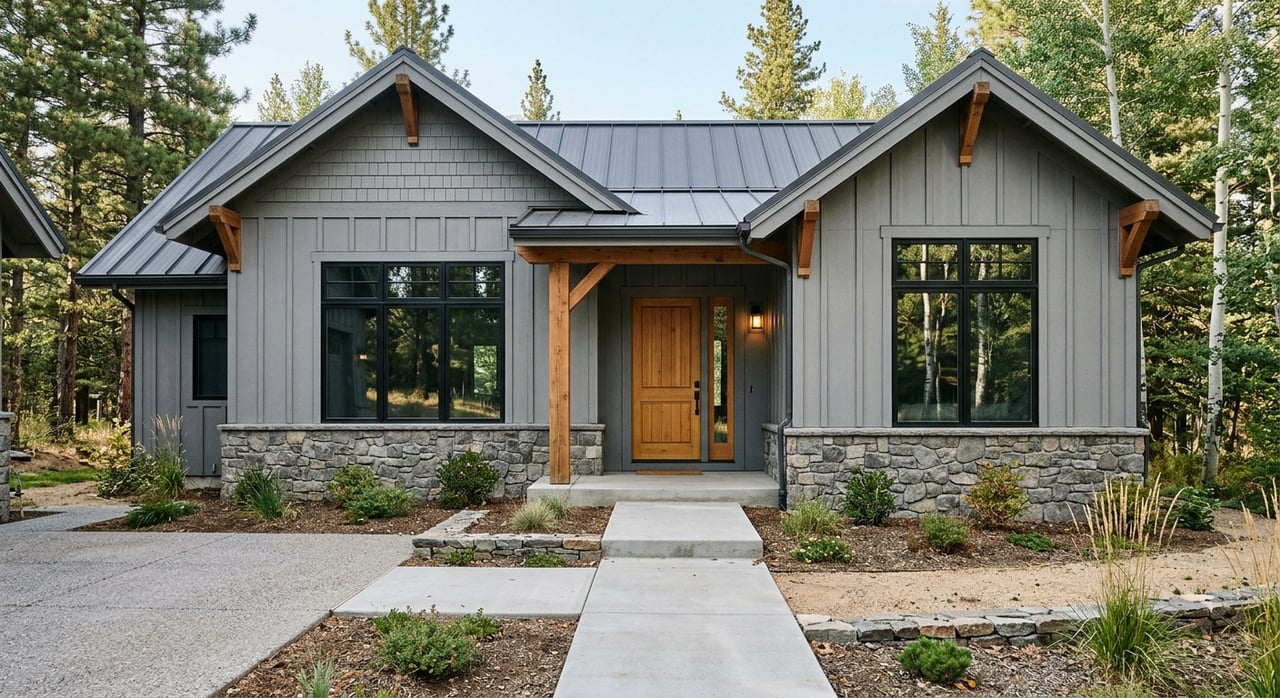
Wondering whether Eagle gives you the right mix of mountain access, daily convenience, and year-round livability? If you want a home base in the Vail Valley but do not need to be steps from the lifts, Eagle deserves a serious look. You can get a more town-centered lifestyle, strong outdoor access, and a wide range of housing types, all while staying connected to the rest of the valley. Let’s dive in.
Why Eagle stands out
Eagle feels different from the resort-core towns for a simple reason: it functions like a real residential town first. The Town of Eagle places it about 30 miles west of Vail on I-70, at 6,600 feet, and about 5 miles from Eagle County Regional Airport. It is also the county seat, with shopping, dining, recreation, trails, and open space built into daily life.
That combination matters if you are looking for more than a vacation address. Eagle offers access to a pool, ice rink, golf, Sylvan Lake State Park, Vail Resorts, and backcountry recreation, but it reads more as a lived-in home base than a ski-village setting. For many buyers, that is exactly the appeal.
What living in Eagle feels like
If your ideal day includes coffee at home, a quick errand run, trail access, and enough local services to keep life simple, Eagle checks many of those boxes. The town has more than 1,300 acres of open space, over 30 miles of trails within town limits, and support for more than 100 miles of surrounding trails. The town also notes more than 290 days of sunshine each year.
That said, Eagle is not a resort-condo environment. It is better suited to buyers who want room to settle in, build routines, and use the valley as a whole rather than center every day around lift access. If your top priority is ski-in/ski-out convenience, Eagle will likely feel too far from the resort core.
Eagle Ranch shapes the market
Eagle Ranch is one of the clearest examples of Eagle as a primary-home market. Town materials describe it as a 1,900-acre community with nearly 1,250 properties, 13 miles of hiking and biking trails, and seven neighborhood parks. That gives you a sense of scale and why the area feels established.
The housing mix in Eagle Ranch is also broad. The planned development includes single-family homes, townhomes, multi-family units, condos, live-work townhomes, and mixed-use commercial and residential parcels. That variety gives buyers more than one path into the market, depending on budget, space needs, and lifestyle.
A practical takeaway is that Eagle Ranch appears largely built out, with limited remaining residential capacity suggested by the town's planning documents. In real life, that can translate to a more finished, neighborhood-driven feel rather than a place defined by constant new construction.
Home types you can expect
Eagle is not locked into one housing format, and that flexibility is part of its strength. Depending on where you look, you may find:
- Single-family homes
- Townhomes
- Condos
- Multi-family residences
- Live-work homes
- Mixed-use residential options
That range can make Eagle appealing whether you are buying your first home in the valley, moving up for more space, or searching for a full-time base with easier everyday functionality.
How Eagle compares on price
Pricing is one of the biggest reasons buyers look closely at Eagle. In Redfin’s latest snapshots, Eagle shows an average price of about $485 per square foot, compared with about $1.25K in Vail, $659 in Avon, and $692 in Edwards. In that sense, Eagle currently looks like a comparatively lower-cost-per-foot option than several other Vail Valley towns.
The median sale price snapshot tells a more nuanced story. Eagle shows about $2.015 million, compared with roughly $1.595 million in Vail, $977,000 in Avon, and $1.869 million in Edwards. In a small mountain market, monthly sales can be thin, so these numbers are best read as directional rather than fixed rankings.
The smart conclusion is not that Eagle is always the cheapest market overall. It is that Eagle can offer a more attainable price-per-foot entry point while still giving you a complete residential setup.
Commute and transit basics
One of the first questions buyers ask is simple: how far is Eagle from Vail? The Town of Eagle places it about 30 miles west of Vail on I-70. That means you should expect a longer drive to the ski-core towns than you would from Avon or Edwards.
Even so, Eagle is not isolated. Core Transit’s Valley Route connects Vail to Dotsero with stops in Avon, Edwards, Eagle, Eagle County Regional Airport, and Gypsum. Core Transit also notes that most routes are fare-free, which can add flexibility for commuting, airport access, and regional errands.
If you travel often, the airport proximity is a real advantage. Eagle County Regional Airport is about 5 miles away, which can make arrival and departure much easier than from some other valley locations.
Year-round convenience matters here
For full-time living, Eagle offers a strong base of everyday services. The Eagle Valley Library District operates the Eagle Public Library, and Mountain Recreation runs the Eagle Pool & Ice Rink. Those are the kinds of amenities that support a daily routine, not just a weekend stay.
Health care access is also part of the picture. Eagle Health Care Center in Eagle Ranch offers urgent care, physical therapy, cardiovascular services, occupational health, and surgical consultation. Broader hospital and emergency care through Vail Health are located in Vail.
For school access, Brush Creek Elementary serves PreK through 5 students in Eagle Ranch, and Eagle Valley High School serves Eagle, Gypsum, and Dotsero. For buyers thinking about year-round practicality, these local services help explain why Eagle works well as a primary home base.
Outdoor access is a major plus
If you value being outside year-round, Eagle has a lot going for it. The town’s official materials highlight access to Sylvan Lake State Park, Vail Resorts, the 10th Mountain Division hut system, and backcountry snowmobile and ski terrain. That means you are not choosing between town convenience and outdoor recreation. You can have both.
The trail system is especially important to Eagle’s identity. With over 30 miles of trails in town and a broader surrounding network, outdoor access is part of the lifestyle rather than an occasional bonus. Just keep in mind that some open-space trails close seasonally from December 1 to April 15 to protect wildlife.
Who Eagle fits best
Eagle is often a strong fit if you want a primary residence with local services, trail access, and regional connections. It tends to work especially well for first-time buyers and move-up buyers who want a residential setting and are comfortable being farther from the ski villages. If your vision of the Vail Valley is more about living well every day than maximizing walk-to-lift convenience, Eagle may line up nicely.
It can also make sense if you want airport access, housing variety, and a more established neighborhood feel. For many buyers, that blend creates a practical and enjoyable home base.
When Eagle may not be the best fit
Eagle is not the right answer for every buyer. If your top priority is being near the lifts, owning in a dense resort setting, or stepping outside to ski-focused amenities, towns closer to the resort core may suit you better. That tradeoff is central to the decision.
The question is less about whether Eagle is “better” and more about whether it matches how you actually want to live. If you want a town-centered base with daily functionality and broad valley access, Eagle has a strong case. If you want a classic resort address, it may not be your best match.
Final take on Eagle as a home base
Eagle offers something increasingly valuable in the Vail Valley: a true residential base with real infrastructure, varied housing, strong outdoor access, and direct regional connections. It is farther from Vail, but it gives many buyers more of the day-to-day livability that makes mountain life sustainable year-round.
If you are weighing Eagle against Vail, Avon, or Edwards, the right decision usually comes down to your priorities. Do you want immediate resort proximity, or do you want a fuller town lifestyle with space to settle in? If you want help comparing those tradeoffs in real terms, Benjamin Finn can help you narrow the options and find the right fit in the Vail Valley.
FAQs
How far is Eagle from Vail?
- Eagle is about 30 miles west of Vail on I-70, according to the Town of Eagle.
Is there public transit from Eagle to Vail and other towns?
- Yes. Core Transit connects Eagle with Vail, Avon, Edwards, Gypsum, and the airport corridor, and most routes are fare-free.
What types of homes are common in Eagle?
- Eagle includes single-family homes, townhomes, condos, multi-family residences, live-work homes, and mixed-use residential options.
Is Eagle a good place for year-round living?
- Yes. Eagle has local library access, recreation facilities, health care services, trail and open-space infrastructure, and school access that support full-time living.
Does Eagle have good outdoor access?
- Yes. The town manages more than 1,300 acres of open space, maintains over 30 miles of trails within town limits, and provides access to broader regional recreation.
Is Eagle better for a primary home or a resort getaway?
- Eagle is generally better suited to buyers looking for a primary home base or a town-centered lifestyle than buyers focused on walk-to-lift or ski-in/ski-out convenience.