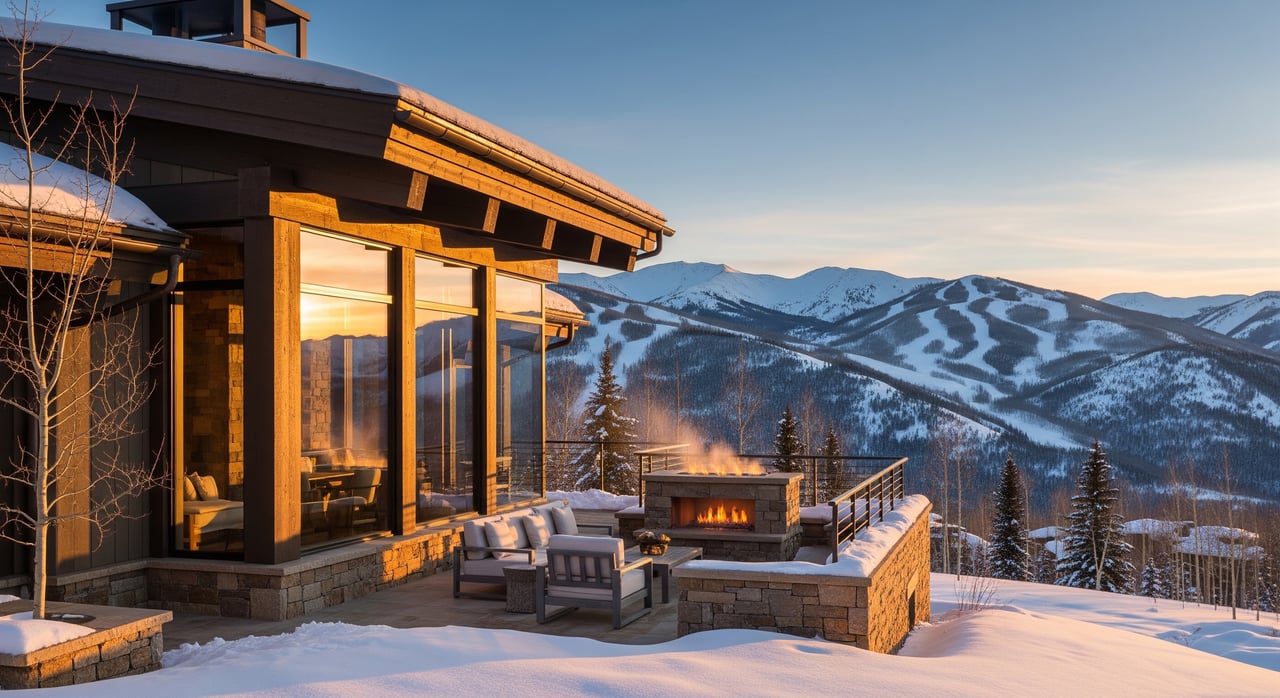
Powder mornings. Quiet shoulder-season hikes. And yes, a good bit of snow shoveling. If you are eyeing a home in Vail, you want the real picture of daily life, not just the postcard. Whether you plan to visit for a few weeks at a time or make a full-time move, it helps to know how the town works through each season and what that means for your budget, routine, and happiness. This guide breaks down neighborhoods, seasons, logistics, and ownership essentials so you can buy with confidence. Let’s dive in.
Vail at a glance
Vail sits around 8,100 to 8,200 feet above sea level. The high altitude affects everything from your first few days of acclimation to how your home heats and handles snow. Winters are cold and snowy, and summers are mild and short. Freeze-thaw cycles and roof loads shape how homes are built and maintained.
The year-round population is small, but it swells in winter and summer with visitors and second-home owners. You will notice a blend of full-time local workers and part-time residents. That seasonal flow shapes the energy in the villages, service hours, and even parking patterns.
Getting here is straightforward most of the time. Vail sits on I-70 about 100 miles west of Denver, usually a 2-hour drive without heavy winter traffic. During storms and holiday weekends, plan for more time. Eagle County Regional Airport in Gypsum is often a 25 to 40-minute drive depending on conditions. Denver International Airport is roughly 2 to 2.5 hours away.
Neighborhoods and home types
Vail Village and Lionshead
These are the resort cores with pedestrian streets, ski access, and a strong dining scene. Most properties here are condominiums and townhomes. Ski-in or ski-out and slope views carry a premium. You get unmatched convenience and the most activity, especially in peak season.
East Vail
East Vail reads more residential and quiet. You are a bit removed from gondolas and the busiest areas, which many owners prefer. Road access is convenient for getting on and off I-70. Inventory can include townhomes and single-family homes.
West Vail
West Vail has a more suburban feel and is popular with locals and commuters. You will see more single-family homes and price points that are often lower than Village or Lionshead. Many owners appreciate easier parking and a quieter daily rhythm.
Ownership patterns
Condos and townhomes dominate near the mountain and in the villages. Single-family homes are more common in East and West Vail and in nearby valleys. A large share of properties function as second homes or short-term rentals. If rental income matters to you, confirm the Town of Vail’s licensing rules and your HOA’s covenants. Some deed-restricted or condominium communities limit or prohibit short-term rentals entirely.
What daily life feels like
Winter rhythm
Winter is peak season. Lifts, restaurants, and retail run at full tilt, and the villages bustle with skiers. Many owners set their day around first chair, lunch plans, and après. Parking is limited and regulated in Vail Village and Lionshead, so a shuttle pass and a walkable plan help. Snow removal becomes a routine task, either handled by your HOA or a private service.
Shoulder seasons
Late spring and fall are quiet and refreshing. You will find easier restaurant reservations, lighter trail traffic, and more relaxed streets. Some restaurants reduce hours or close for maintenance, so plan ahead for dining. Weather swings can be sharp, with late snow or spring melt affecting access and upkeep.
Summer rhythm
Summer is lively in a different way. Think hiking, mountain biking, golf, fishing, and outdoor festivals. Visitor volume is steady, but the pace is less intense than winter. Road travel is easier, services feel less strained, and families enjoy a broad menu of activities.
Cultural calendar
Vail’s year-round mix of music, art, culinary, and athletic events adds energy. Expect short bursts of demand around major festivals and competitions. If you value quiet, you can plan stays around those dates.
Getting around and practical errands
Town shuttles and free local buses make it easy to skip the car. Gondolas link the villages to the mountain. If you drive, remember that many garages and on-street spots are regulated. Parking passes, municipal lots, and solid walking shoes are part of the owner toolkit. At home, steep driveways and winter tires are normal topics.
You have everyday groceries and essentials in town. Prices can run higher because of mountain logistics. For bigger shops or specialty items, many residents head to Avon, Edwards, or Denver. The villages offer a strong dining scene for the town’s size, but hours shift with the season.
Healthcare is anchored by Vail Health, with clinics and emergency services in the valley. For some specialized care, you may travel to larger regional centers. On the mountain, ski patrol and safety teams are present during operations.
Public education is provided through Eagle County schools. Private and alternative options exist in the valley and nearby towns, though availability can vary. If you plan a full-time move, check timing and capacity early.
Utilities are municipal within the Town of Vail, though some peripheral properties can differ. Expect higher heating bills in winter. Broadband is generally strong in core areas, but speeds can vary at outlying addresses. If remote work matters, verify service at the exact property.
Maintenance and mountain homes
Owning at altitude means attending to snow and ice. Roof loads, ice dams, and freeze risk are recurring considerations. Proper insulation, gutters, and heat tape can make a big difference. Single-family owners often contract for driveway and roof snow removal, while many condo HOAs include exterior work in dues.
If you plan to be away for long stretches, consider caretaking or property management. Regular checks reduce the risk of freeze events or unnoticed leaks. In heavy snow cycles, the best plans are proactive and scheduled.
Costs, taxes, and insurance
Vail’s cost of ownership sits above national and statewide averages. You should plan for higher HOA dues, maintenance, utilities, and insurance. That premium reflects resort demand, limited land, and mountain-specific upkeep.
Insurance can also run higher because of weather, snow loads, and hazard exposures. Some properties sit near Gore Creek or steeper terrain. Review floodplain and avalanche exposure when you evaluate a home, and ask about any required mitigation or easements. A local insurance advisor can outline coverage and endorsements that fit your property type.
You will pay property taxes through county and town mill levies. If you operate a short-term rental, transient occupancy taxes apply. Second-home and residency questions affect your state and federal tax picture, so consult a tax professional.
Renting your home
Short-term rental income is attractive, but it requires homework. The Town of Vail has licensing and tax rules for short-term rentals. HOA covenants may allow, limit, or prohibit rentals, and many condominium and deed-restricted properties have strict rules. Revenue is also seasonal, and operating costs add up, so run a clear model that includes vacancy, cleaning, management, utilities, and taxes.
If you plan to rent, confirm compliance steps before you buy. Ask for a history of any prior rental activity at the property, and verify whether the unit’s zoning and building policies permit your plan.
Full-time vs. part-time living
Full-time life in Vail can be rewarding and practical if you embrace winter routines. You will engage with community services, school calendars, and local events, and you will manage snow, parking, and seasonal chores. Many full-time residents choose East or West Vail for everyday conveniences and a more residential feel.
Part-time owners often rely on property managers for maintenance, cleaning, and if allowed, bookings. Travel planning around storms and holidays becomes second nature. If your use is seasonal, keep a checklist to de-winterize and re-winterize the home.
Due diligence checklist
Use this quick list as you evaluate homes:
- Verify access to the slopes. Is it walkable, ski-in or ski-out, or shuttle dependent? What are your daily parking options and costs if you drive?
- Confirm short-term rental rules. Check town licensing and transient tax requirements, plus HOA covenants and any deed restrictions.
- Review HOA documents. Request meeting minutes, reserve studies, and any pending or recent special assessments.
- Ask for operating histories. Collect utility bills, HOA dues and coverage, snow removal contracts, and insurance premiums.
- Check building systems. Inspect roof loads, insulation, gutters, heat tape, and the age of heating equipment.
- Confirm internet speeds. Verify broadband options and performance at the specific address if you plan to work remotely.
- Assess hazards. Review floodplain and avalanche exposure and any mitigation, easements, or insurance implications.
- Plan for emergencies. Understand local winter road maintenance, medical response, and evacuation routes.
Where you fit best
If you want maximum convenience and will be here mainly in peak seasons, Vail Village or Lionshead may be your sweet spot. You will pay more for access and may rely on shuttles and garages, but your days can revolve around the lifts. If you prefer everyday ease and a quieter pace, East or West Vail may fit better. You will likely drive or shuttle to the slopes, but you gain more residential comforts and simpler parking.
For second-home owners, the core question is how you plan to use the property. If you will ski most mornings and host friends on weekends, proximity to the mountain may be worth the premium. If you want a calm base for remote work and longer stays, a residential setting might serve you better. Either way, align the home’s logistics with your routines.
Work with a local advocate
Owning in a resort town is about tradeoffs. The right advisor will help you weigh convenience against cost, buzz against quiet, and HOA coverage against single-family flexibility. You get the best outcome when you pair lifestyle goals with clear numbers and practical due diligence.
If you want a grounded, outcomes-focused guide in the Vail Valley, connect with Benjamin Finn. You will get local insight, responsive execution, and a plan that fits how you actually live and travel.
FAQs
What is winter driving like in Vail for homeowners?
- Expect frequent snow, occasional I-70 delays, and the need for winter tires or 4WD. Many owners lean on town shuttles and parking structures for village access during storms and busy weekends.
How close should I live to the lifts for daily skiing in Vail?
- If you ski most days, verify walkability or true ski-in or ski-out access. Otherwise, plan on shuttles or regulated parking and budget time for transit during peak hours.
What are realistic ongoing costs of owning a Vail condo?
- Costs are above national averages. Plan for HOA dues, utilities, maintenance, insurance, and potential capital assessments. Ask for utility histories, reserve studies, and any pending special assessments.
Can I rent my Vail property short term to offset costs?
- Possibly, but it depends on Town of Vail licensing rules and your HOA covenants. Some buildings and deed-restricted properties limit or prohibit short-term rentals. Confirm before you buy.
How does altitude affect living and home systems in Vail?
- Give yourself time to acclimate and stay hydrated. Homes need robust heating and design for snow loads and freeze protection. Plan for higher winter utility usage.
What should families know about schools and childcare in Vail?
- Public education is provided by Eagle County schools, and there are private or alternative options in the valley. Availability can vary, so inquire early about admissions and program capacity.